العربية

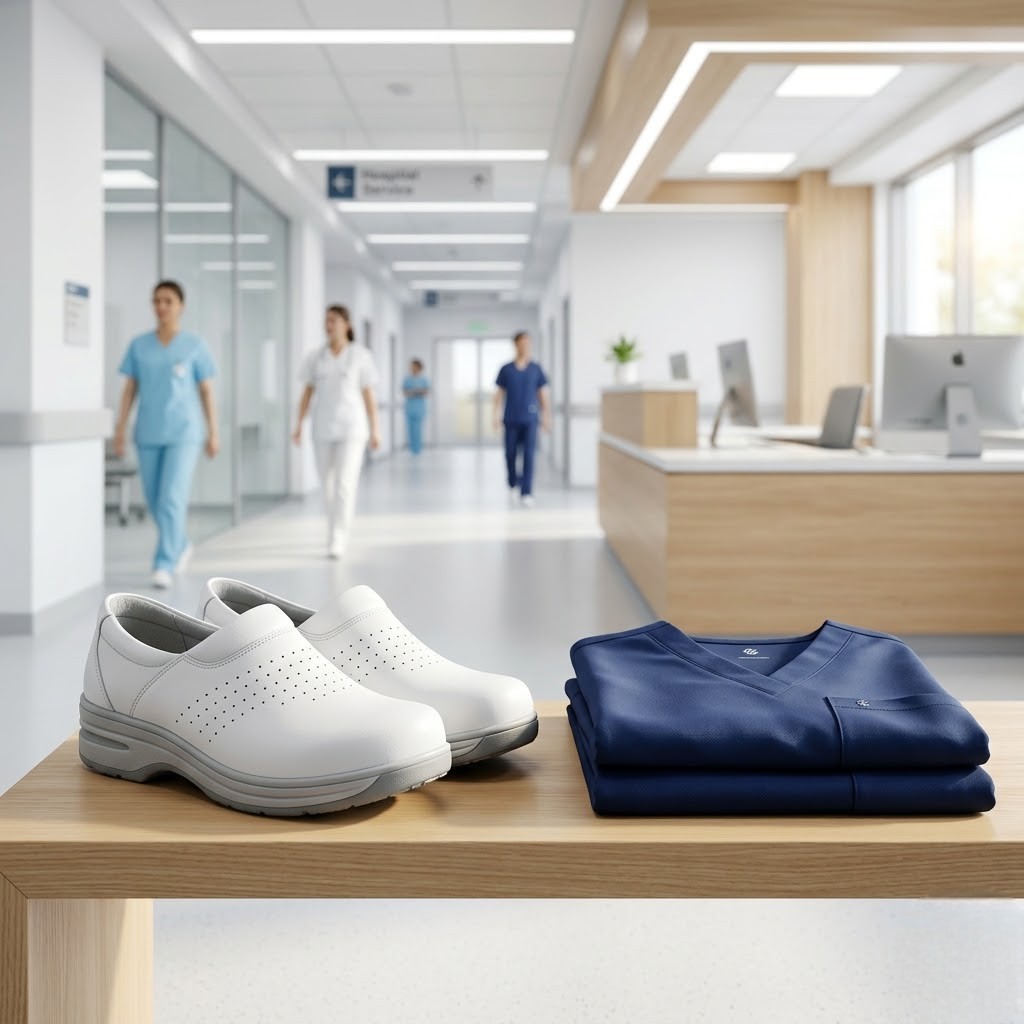
Nursing is a highly demanding profession that requires immense physical stamina, mental sharpness, and unyielding dedication. During a standard 12-hour shift, a nurse can walk several miles, navigating hard hospital floors while lifting patients, moving heavy equipment, and responding rapidly to medical emergencies. Despite the intense physical toll of the job, many healthcare professionals overlook one of the most critical pieces of their daily uniform: their footwear. Relying on worn-out sneakers or unsupportive casual shoes is a common mistake that can lead to a cascade of physical ailments. This comprehensive guide explores the hidden dangers of improper footwear, the biomechanical impact it has on your body, and the essential features you must look for when selecting the best shoes for nurses to survive those grueling long shifts.
The Hidden Physical Toll of Improper Footwear
The human foot is a complex structure designed to absorb shock and balance the entire body. When you stand or walk on unyielding surfaces like hospital tile or vinyl for hours on end in flat, unsupportive shoes, that natural shock absorption system fails. The impact of improper footwear extends far beyond simple fatigue; it creates a chain reaction of pain throughout the body.
- Severe Foot Pain: The most immediate consequence of bad shoes is acute foot pain. Without proper cushioning, the repetitive impact causes inflammation of the plantar fascia—a thick band of tissue running across the bottom of your foot. This condition, known as plantar fasciitis, causes a stabbing pain in the heel, particularly during the first few steps of your shift.
- Compromised Posture: Your feet are the foundation of your body’s alignment. Shoes lacking structural support cause the arches to collapse inward (overpronation). This misalignment forces the knees and hips to rotate unnaturally, ultimately leading to poor posture and severe lower back pain.
- Circulation Issues: Shoes that are too tight or lack flexibility restrict blood flow to the lower extremities. Combined with constant standing, this increases the risk of developing varicose veins and severe swelling (edema) in the ankles and calves.
- Safety Hazards: Standard athletic shoes are designed for running tracks, not for hospital environments. They lack the specialized traction needed to navigate slick, fluid-prone medical floors, significantly increasing the risk of dangerous slips and falls.
Key Features of the Best Shoes for Nurses
To protect your joints and maintain your energy levels, you must invest in high-quality medical shoes engineered specifically for the healthcare environment. When evaluating your options, ensure the footwear incorporates these non-negotiable features:
- Firm Arch Support: The most critical element of any clinical shoe is rigid, anatomically contoured arch support. This prevents the foot from flattening out under the weight of continuous standing, keeping the kinetic chain of your legs and spine perfectly aligned.
- Slip-Resistant Outsoles: The hospital floor is unpredictable, often compromised by spilled water, sanitizing gels, or biological fluids. A certified slip-resistant rubber outsole with a high-traction tread pattern is mandatory to keep you safely grounded during chaotic emergency responses.
- High-Impact Shock Absorption: Look for shoes featuring thick midsoles made of EVA foam or specialized gel inserts. These materials actively disperse the kinetic energy generated with each step, preventing the shock from traveling up into your knees and lower back.
- Wide and Protective Toe Box: As your shift progresses, your feet will naturally swell. A wide toe box allows your toes to splay naturally without pinching, preventing painful blisters and bunions. Additionally, the upper material should be fluid-resistant and easy to wipe clean to protect against accidental spills.
Pairing supportive medical footwear with the right clinical apparel is essential for surviving long hours on the ward. Just as modern nursing shoes offer athletic cushioning, transitioning your uniform to a more dynamic, tapered fit can drastically reduce fabric drag and improve overall agility. Drawing on over two decades of outfitting healthcare professionals since 2001, we know that the perfect uniform works in harmony from head to toe. Whether you are browsing online or preparing to visit our new Riyadh flagship store, complementing your footwear with our flexible jogger scrubs for healthcare workers provides the ultimate combination of modern style and unrestricted mobility.
What to Wear Instead: Medical Shoes vs. Nursing Clogs
When upgrading your footwear, you will generally choose between two primary styles: sneaker-style medical shoes and traditional nursing clogs. Your choice should depend heavily on your specific hospital department and daily tasks.
The Athletic Sneaker Style
Sneaker-style medical shoes offer a secure, lace-up fit and maximum flexibility. They are highly recommended for ER nurses, rapid response teams, and pediatric staff who need to run, pivot quickly, and engage in highly dynamic movements. They provide the agility of a running shoe combined with the protective, wipeable surfaces required in a clinical setting.
The Traditional Nursing Clogs
Nursing clogs are the undisputed champions for professionals who stand in stationary positions for hours, such as surgical nurses or those assigned to the OR. Clogs feature a slightly elevated heel that shifts weight off the Achilles tendon and lower back. Their rigid structure offers unparalleled, continuous support, and the laceless, slip-on design allows for rapid changing and easy sterilization.
Pairing Your Supportive Footwear with High-Performance Scrubs
Optimal workplace endurance requires a holistic approach to your uniform. The best shoes for nurses will correct your posture and eliminate foot fatigue, but they must be paired with premium scrubs that regulate your body temperature and provide unrestricted mobility. Explore our top recommendations from the Apex Shop to complete your professional wardrobe.
Dark Steel Blue Premium Female Scrub
This dark steel blue premium scrub set delivers exceptional comfort for modern healthcare professionals. The advanced moisture-wicking fabric keeps you completely dry during your most intense hospital shifts. Its highly flexible material moves seamlessly with your body to prevent any physical restriction.
The tailored silhouette provides an incredibly sharp and authoritative look for daily clinical practice. Reinforced stitching ensures that the garment survives rigorous industrial washing without losing its shape. Pair it perfectly with your supportive footwear to experience unparalleled endurance on the ward.
Black Premium Female Scrub – Sweat Pants
These black premium sweatpants redefine everyday utility for active nurses and busy medical staff. The incredibly soft elastic waistband provides zero-pressure support around your waist throughout the day. Four-way stretch technology allows for deep bending and rapid movement during critical emergency situations.
Deep cargo pockets offer secure and convenient storage for all your essential medical tools. The sleek jogger styling pairs flawlessly with slip-resistant nursing clogs for a complete athletic look. Choose these durable scrub pants to guarantee maximum comfort and functionality in any healthcare setting.
Conclusion: Invest in Your Foundation
Your career in healthcare is a marathon, not a sprint. Continuing to work in improper, unsupportive footwear will inevitably lead to chronic pain, decreased focus, and potential long-term joint damage. By understanding how the mechanics of your feet affect your overall health, you can make informed decisions about your workwear. Transitioning to specialized medical shoes or nursing clogs equipped with strong arch support and slip-resistant soles is an investment in your own physical well-being. Pair your upgraded footwear with premium, stretchable scrubs, and you will build a foundation of comfort that allows you to provide the best possible care to your patients, shift after shift.
Frequently Asked Questions (FAQs)
1. How often should nurses replace their work shoes? Even if the exterior of the shoe looks intact, the internal shock-absorbing foam compresses and breaks down over time. It is highly recommended that nurses working full-time replace their work shoes every 6 to 8 months to ensure they are still receiving adequate arch support and cushioning.
2. Are memory foam shoes good for long nursing shifts? Memory foam feels incredibly soft initially, but it can compress completely flat under the constant weight of a 12-hour shift, leaving you with little to no support by the end of the day. It is better to choose shoes with firmer, structured EVA foam or specialized orthotic insoles that maintain their shape.
3. Why are nursing clogs so popular in the operating room? Clogs are preferred in the OR because their rigid sole provides constant, unwavering support during long hours of standing in one place. Additionally, the laceless design prevents tripping hazards, and the hard, solid upper material protects the foot from dropped scalpels, needles, and fluid spills.
4. Can compression socks help with foot pain? Yes, compression socks are a vital addition to your footwear strategy. While they do not provide structural support like a shoe, they significantly improve blood circulation, reduce lactic acid buildup, and prevent the severe ankle swelling that contributes to foot and leg pain during long shifts.
5. Is it better to buy shoes a half-size larger for nursing? Yes, it is often a smart strategy. Because you are on your feet all day, your feet will naturally swell and expand by the end of your shift. Buying your medical shoes a half-size larger ensures that your toes will not be pinched or compressed during the final, most exhausting hours of your workday.