العربية

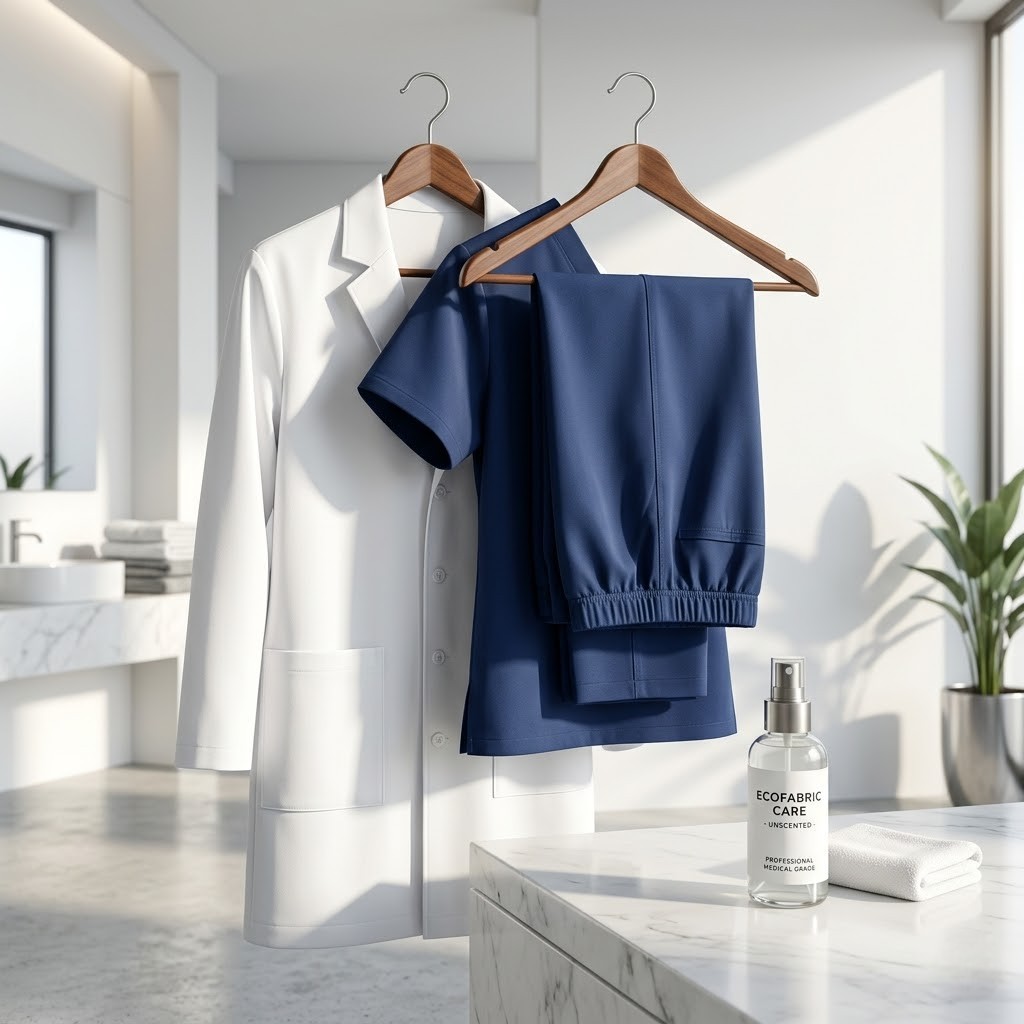
Working in the medical field means you are constantly exposed to a highly unpredictable and frequently messy environment. Your uniform is your first line of defense, absorbing everything from accidental biological splatters in the emergency room to mundane cafeteria spills. For healthcare professionals, the crisp, pristine appearance of your medical attire is a powerful symbol of hygiene, authority, and meticulous care. However, learning exactly how to remove stains from scrubs and lab coats can feel like a daunting chemistry experiment. When a disastrous spill occurs, knowing the precise steps to properly clean white lab coat fabrics can save your expensive uniform from the trash bin. At Apex, we understand the immense value of impeccably clean medical wear. Having built an unshakeable legacy in Egypt since 2001, we have successfully expanded our premium medical apparel brand across 13 thriving branches. Now, we are incredibly proud to bring our high-performance, stain-resistant collections directly to the exceptional healthcare professionals of Saudi Arabia with our new flagship store in Riyadh. In this comprehensive guide, we will walk you through the ultimate protocols to effectively wash hospital clothes. We will tackle the most notoriously difficult marks, from stubborn coffee stains and leaky ink pens to complex protein spills. Furthermore, we will explore the safe application of bleach, ensuring absolute sanitization while keeping your garments a blinding, bright white shift after shift.
The Golden Rules of Medical Stain Removal
Before we dive into specific stain treatments, there are universal rules you must follow when attempting to remove stains from scrubs and coats. Ignoring these fundamental principles can permanently bond the stain to the fabric fibers, ruining your garment forever.
- Act Immediately: Time is your absolute worst enemy. The longer a substance sits on the fabric, the deeper it penetrates the microscopic fibers. Even if you are in the middle of a busy shift, try to quickly dab the area with cold water or a wet paper towel to keep the stain from drying and setting.
- Never Use Hot Water on Unknown Stains: Hot water literally cooks protein-based stains (like blood, sweat, or vomit), baking them permanently into the fabric’s chemical structure. Always start your treatment protocol with cold water.
- Dab, Do Not Rub: When you furiously rub a stain, you are aggressively pushing the pigment deeper into the weave of the fabric and potentially damaging the smooth surface of the garment. Always gently dab or blot the stain from the outside edges inward to lift the residue.
- Test Chemicals First: Before applying harsh chemical removers or heavy-duty solvents, test them on a small, hidden inside seam of your coat to ensure they do not cause unexpected yellowing or fabric degradation.
Conquering Common Workplace Stains
A typical 12-hour hospital shift presents a variety of chemical and biological hazards. Here is your targeted action plan for the most common culprits that ruin medical whites.
1. Defeating Stubborn Coffee Stains
Long shifts require caffeine, making coffee stains the most frequent offenders in the medical ward. Coffee contains dark tannins that bond quickly to light fibers.
- The Fix: Immediately flush the area from the backside of the fabric with cold running water to push the coffee back out the way it came. Next, mix a solution of equal parts white vinegar and cold water, apply it directly to the stain, and let it sit for 10 minutes. The mild acid in the vinegar breaks down the tannins. Rinse thoroughly and wash normally.
2. Eradicating Ink Pens and Markers
Leaky ink pens forgotten in a chest pocket can create a disastrous, spreading blue or black mess that seems impossible to remove.
- The Fix: Place a clean paper towel directly under the stained fabric to prevent the ink from bleeding through to the other side. Soak a cotton ball in high-concentration rubbing alcohol (isopropyl alcohol) or alcohol-based hand sanitizer. Firmly press the cotton ball onto the stain. The alcohol acts as a powerful solvent, dissolving the ink and transferring it to the paper towel beneath. Repeat with fresh cotton balls until the ink is completely lifted.
3. Neutralizing Blood and Biological Proteins
In surgery and trauma wards, blood stains are an everyday reality. Because blood is a complex biological protein, it requires a specific enzymatic approach.
- The Fix: Flush the stain immediately with freezing cold water. Apply a small amount of 3% hydrogen peroxide directly to the blood. It will bubble rapidly as it oxidizes and breaks down the protein chains. Let it sit for 5 minutes, dab gently, and rinse. For older, dried blood, soak the garment in cold water mixed with a heavy-duty enzymatic laundry detergent for several hours before washing.
The Proper Way to Wash Hospital Clothes
Once you have successfully pre-treated the localized stains, the general laundering process is critical to ensure total sanitization and maintain the structural integrity of your garments.
When it is time to wash hospital clothes, you must always separate your heavily contaminated medical uniforms from your regular civilian laundry to prevent dangerous cross-contamination. Turn your garments inside out to protect the outer surface from abrasive friction inside the washing machine drum. For the main wash cycle of white coats, utilize warm water (after all protein stains have been removed) and a premium, heavy-duty detergent. Warm water effectively melts body oils and general grime without causing the severe shrinkage associated with boiling hot water.
Bleach and Sanitization: Maintaining a Bright White
To properly clean white lab coat fabrics and ensure they remain a blinding, bright white, you must understand how to use bleach correctly. Many professionals make the mistake of using too much chlorine bleach, which can actually cause white synthetic fabrics (like polyester) to undergo a chemical reaction and turn a permanent, ugly yellow.
For standard washing and brightening, skip the harsh chlorine. Instead, utilize an oxygen-based bleach (like OxiClean) or a specialized optical brightener. Oxygen bleach releases safe, active oxygen bubbles that lift microscopic dirt and neutralize bacteria without stripping the fabric’s integrity. It provides excellent sanitization while keeping your coats pristine. If you absolutely must use chlorine bleach for extreme disinfection, ensure it is heavily diluted with water before it ever touches the fabric, and never soak the garment for more than 10 minutes.
Featured Product Descriptions
Experience the ultimate blend of professionalism and unmatched comfort with our pristine White Classic Scrub. Designed specifically for the demanding healthcare environment, this garment ensures you maintain a flawless appearance. The advanced fabric technology offers exceptional breathability and remarkable resistance to everyday clinical stains.
Elevate your daily clinical wardrobe by integrating the sophisticated and highly durable Royal Long Coat. This essential piece of medical outerwear provides extensive coverage to protect your garments from hazardous chemical spills. Invest in premium medical apparel today to experience the perfect combination of elite style and performance.
Stain Removal Quick Reference Table
Keep this handy comparison table in your laundry room to quickly reference the best treatment protocols for unexpected spills:
| Type of Stain | Primary Cleaning Agent | Water Temp | Key Action to Take |
| Blood / Protein | Hydrogen Peroxide / Enzymatic Soap | Cold | Flush from behind; never use heat. |
| Coffee / Tea | White Vinegar Solution | Cold / Warm | Soak for 10 minutes to break down tannins. |
| Ink Pens | Rubbing Alcohol / Hand Sanitizer | N/A | Place a towel underneath to catch bleeding ink. |
| Ointments / Greasy Lotions | Heavy Liquid Dish Soap | Warm | Massage soap gently into fibers to cut the grease. |
| General Dinginess | Oxygen Bleach (OxiClean) | Warm | Add to regular wash cycle to restore brilliance. |
Why Upgrade Your Wardrobe with Apex?
Even with the best stain removal techniques in the world, cheap, low-grade fabrics will eventually succumb to the harsh reality of medical environments. They will pill, yellow, and fray. This is why investing in high-quality medical apparel is not a luxury, but a professional necessity.
At Apex, our expansive medical collections available in our online Shop are engineered from the molecular level up. We utilize advanced, high-density polyester blends that inherently resist liquid penetration, giving you precious extra seconds to wipe away a spill before it becomes a permanent stain. Our fabrics are heavily pre-shrunk and treated to withstand rigorous commercial hospital laundering. With our historic expansion into Riyadh, Saudi Arabia, we invite you to upgrade your clinical armor. Experience the peace of mind that comes from wearing garments designed specifically to protect you, elevate your professional image, and maintain their flawless, crisp whiteness shift after grueling shift.
Frequently Asked Questions (FAQs)
1. Can I use hot water to sterilize my white lab coat?
It is highly recommended to avoid boiling hot water when washing standard medical uniforms. While hot water aids in sterilization, it permanently sets protein-based stains (like blood) and severely degrades the elastic fibers (spandex) in modern stretch scrubs, causing irreversible shrinkage and fabric damage.
2. Why is my white lab coat turning yellow after using bleach?
Standard chlorine bleach reacts negatively with synthetic fibers like polyester and rayon, which are common in modern medical wear. The chemical reaction strips the outer layer of the fiber, exposing the naturally yellowish core. To prevent this, always use color-safe oxygen bleach for routine brightening.
3. How do I get rid of the stubborn ring around the collar of my coat?
The ring around the collar is caused by a combination of sweat and body oils. Before washing, apply a heavy-duty liquid laundry detergent or a simple grease-cutting dish soap directly to the collar. Massage it in gently with a soft-bristled toothbrush and let it sit for 15 minutes to break down the heavy oils before running the wash cycle.
4. Are Apex white lab coats resistant to liquid spills?
Yes. Our premium lab coats and white scrubs are engineered using advanced, tightly woven poly-blends that offer excellent fluid resistance. While not entirely waterproof, they cause liquids to bead up on the surface momentarily, giving you time to wipe away spills before they penetrate the fabric and cause stains.
5. What should I do if a stain has already gone through the dryer?
Once a stain has been tumble-dried on high heat, it is “baked” into the fabric and becomes extremely difficult to remove. You can attempt to resurrect the garment by soaking it overnight in a highly concentrated solution of warm water and oxygen bleach, followed by an enzymatic wash, but success is not guaranteed.
6. Is it safe to wash my white scrubs with my colored scrubs?
Absolutely not. You must always separate your white medical garments from colored ones. Even if your colored scrubs are old, microscopic dye particles constantly shed during the wash cycle. Over time, these dark particles will deposit onto your white garments, making them look dull, gray, and distinctly unhygienic.