العربية

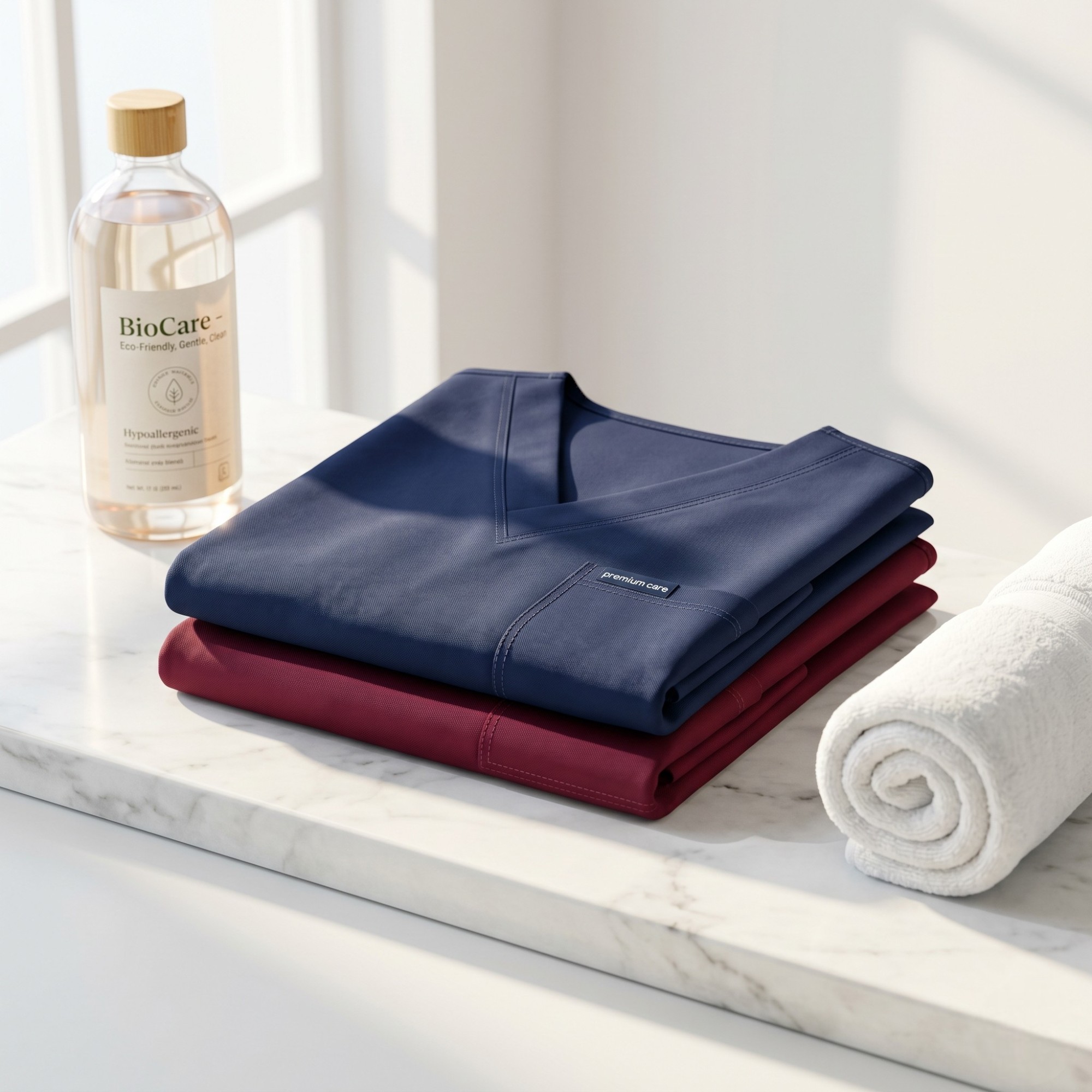
Working in the fast-paced, high-stakes environment of the medical field requires absolute dedication, immense physical stamina, and a wardrobe that can seamlessly withstand both demanding shifts and rigorous cleaning routines. As a healthcare professional, your daily attire is subjected to unique challenges that everyday civilian clothing simply never encounters. From accidental chemical spills and biological contaminants to the constant friction of constant movement, your uniform acts as your primary layer of defense and a bold statement of your professional identity. Therefore, understanding exactly how to clean medical uniforms effectively is not just a matter of basic hygiene; it is an essential protocol for maintaining infection control and extending the lifespan of your valuable garments. We at Apex deeply understand the science and the necessity behind impeccable medical wear. Having established our roots in Egypt in 2001 and successfully expanded our footprint with 13 flourishing stores, we are incredibly proud to celebrate the opening of our very first flagship store in Riyadh, Kingdom of Saudi Arabia. We engineer our medical apparel to offer an elite balance of uncompromising luxury, elegant aesthetics, and industrial-grade durability. However, even the highest-quality fabrics require proper maintenance to retain their initial brilliance and protective qualities. In this comprehensive, step-by-step scrub care guide, we will explore the absolute best practices on how to wash scrubs, tackle the dreaded task of how to remove blood stains effectively, manage water temperatures, navigate the delicate balance of disinfection, and execute proper ironing techniques to ensure you look impeccably polished for every single shift.
Why Is a Dedicated Scrub Care Guide Necessary?
Many new nurses, medical students, and even seasoned doctors often make the critical mistake of tossing their expensive medical uniforms into the washing machine alongside their regular daily laundry. This seemingly harmless habit can severely compromise both the structural integrity of the fabric and the hygienic safety of the wearer. A dedicated approach to washing your workwear is essential for several fundamental reasons:
First and foremost is Infection Control. Hospitals and clinics are epicenters for microscopic pathogens, resilient bacteria, and highly transmissible viruses. Your scrubs act as a literal sponge, passively collecting these invisible threats throughout your demanding shift. Mixing contaminated workwear with civilian clothing—like your children’s garments or your spouse’s workout gear—creates a dangerous vector for cross-contamination, potentially introducing hospital-acquired pathogens into your safe home environment.
Secondly, specialized care ensures Fabric Longevity. Medical garments are heavily processed and frequently blended with synthetic fibers like polyester and spandex to provide crucial four-way stretch and moisture-wicking capabilities. Using harsh, generic detergents, excessively hot water, or aggressive machine cycles can permanently destroy these sensitive elastic fibers. It can cause irreversible shrinkage, break down the structural weave of the fabric, and severely reduce the garment’s functional lifespan.
Lastly, there is the undeniable element of Professional Appearance. In the medical field, your visual presentation matters immensely. Patients inherently associate cleanliness and neatness with clinical competence and elite care. Scrubs that suffer from severe fading, stubborn, unsightly stains, or heavy wrinkles unconsciously project a disorganized image. By following a specialized care routine, you guarantee that your uniform consistently communicates authority, immaculate hygiene, and unshakeable confidence.
Pre-Wash Preparation: Setting the Stage for Clean Medical Uniforms
The secret to flawlessly clean medical uniforms lies not only in the washing machine cycle but in the meticulous preparation that happens before the garment even touches the water. Taking a few extra minutes to properly prepare your laundry can save you hours of frustration and effectively double the lifespan of your investment.
1. The Crucial Separation Process
Never, under any circumstances, wash your hospital uniforms with your regular civilian clothes. Establish a dedicated, lined hamper exclusively for your work attire. When laundry day arrives, you must take separation a step further by sorting your uniforms based on color and the degree of contamination. Heavily soiled garments that have been exposed to bodily fluids or hazardous chemicals must be processed entirely separately from lightly worn administrative or consultation attire.
2. Turning Garments Inside Out
This is the golden rule of laundry preservation, yet it is astonishingly overlooked. Before placing your uniforms in the machine, turn every single piece inside out. The mechanical agitation of a washing machine creates intense friction as fabrics rub against each other and against the metal drum. This continuous friction is the primary culprit behind premature fading and fabric pilling. By turning the garments inside out, you protect the vibrant, visible exterior surface from abrasive damage while exposing the inner layer—which absorbs the majority of your body sweat and skin oils—directly to the detergent and water.
3. Securing Pockets and Zippers
Healthcare professionals are notorious for carrying an entire miniature clinic in their pockets. Before washing, conduct a rigorous pat-down of every pocket. A forgotten uncapped pen, a rogue medical swab, or a lip balm left in the pocket can melt or explode during the wash or dry cycle, instantly destroying a costly set of uniforms. Furthermore, if you wear a Jacket or a scrub top equipped with zippers, ensure that all zippers are pulled fully closed. Open zippers possess sharp, jagged metal or plastic teeth that can catch, snag, and violently tear other delicate fabrics spinning in the same load.
Proper washing techniques are essential for prolonging the life of your uniforms and maintaining clinical hygiene. However, the foundation of a truly hygienic uniform starts with the material itself. By investing in advanced antibacterial scrub fabrics, you can significantly reduce the buildup of odor-causing bacteria and pathogens, making your daily laundering routine much easier and more effective.
The Ultimate Challenge: How to Remove Blood Stains and Tough Marks
Perhaps the most universally dreaded laundry challenge in the medical community is figuring out how to remove blood stains. Blood is a complex biological protein stain, and treating it incorrectly will permanently bond the stain to the fabric fibers, rendering the garment unwearable. The absolute key to successful stain removal is immediate action and the correct application of temperature.
The Golden Rule: Never Use Hot Water on Blood
When dealing with any protein-based stain (blood, vomit, feces, or sweat), your immediate instinct might be to use boiling water to “sterilize” the area. This is a catastrophic mistake. Hot water literally cooks the biological proteins, baking them deep into the chemical structure of the fabric and setting the stain permanently. Always use cold water for the initial treatment of blood stains.
Effective Removal Techniques
- Immediate Cold Water Flush: If you notice a blood splash during your shift and have a moment, head to the nearest sink. Hold the fabric taut and flush the stain from the back side with a steady stream of cold running water. This forces the blood particles out the same way they entered, rather than pushing them deeper into the weave.
- Hydrogen Peroxide Treatment: For fresh or slightly dried blood, hydrogen peroxide is a highly effective, inexpensive medical-grade solution. Apply a small amount of 3% hydrogen peroxide directly to the stain. You will see it immediately begin to bubble and oxidize as it violently attacks the blood proteins. Let it sit for 5 to 10 minutes, gently dab (do not aggressively rub) with a clean cloth, and rinse thoroughly with cold water. Caution: Test peroxide on a small, hidden inside seam first, as it can cause bleaching on certain low-quality dyes, though Apex’s premium dyes are highly resistant.
- Enzymatic Cleaners: For older, stubborn, or deeply set biological stains, utilize a heavy-duty enzymatic laundry stain remover. These specialized cleaners contain active biological enzymes that literally digest and break down complex protein and fat molecules at a microscopic level. Apply the enzymatic spray, massage it gently into the fibers using a soft-bristled toothbrush, and let it rest for at least 30 minutes before washing.
Step-by-Step Instructions: How to Wash Scrubs Properly
Once your garments are thoroughly prepped and pre-treated for stains, it is time to move to the washing phase. Learning exactly how to wash scrubs involves understanding the delicate balance between aggressive cleaning to remove bacteria and gentle handling to preserve the fabric’s aesthetic appeal.
1. Setting the Dye (The First Wash)
When you purchase a brand-new, vibrant uniform, such as the elegantly crafted Dark Steel Blue Premium Female Scrub, you want to ensure that the rich color remains locked into the fabric for years. Before wearing it for the first time, perform a “vinegar set.” Wash the new garment separately in cold water and add half a cup of plain white distilled vinegar to the rinse cycle. The mild acetic acid in the vinegar acts as a natural mordant, effectively sealing the dye into the fibers and significantly preventing future color bleeding.
2. Choosing the Right Water Temperature
As discussed, use cold water for treating biological stains. However, for the main wash cycle of standard, non-stained garments, warm water is generally the optimal choice. Warm water provides the perfect compromise: it is hot enough to effectively melt body oils, activate the surfactants in laundry detergents, and lift everyday dirt, but it is cool enough to prevent the severe shrinkage and accelerated color loss associated with boiling hot water.
3. Selecting the Optimal Detergent
Avoid cheap, generic detergents that are loaded with harsh artificial brighteners, heavy perfumes, and aggressive sulfates. Instead, opt for a high-quality, heavy-duty liquid detergent that specifies it is “color-safe.” Liquid detergents dissolve much more efficiently than powders, particularly in colder water temperatures, preventing chalky white residue from depositing on your dark fabrics.
4. The Magic of White Vinegar
Skip the commercial fabric softeners entirely. Liquid fabric softeners work by coating your clothing in a microscopic layer of artificial wax or animal fat to make them feel soft. While this sounds pleasant, this waxy coating completely destroys the advanced moisture-wicking properties of modern medical apparel, trapping sweat and odor-causing bacteria against your skin. Instead, pour half a cup of plain white vinegar into the fabric softener dispenser. Vinegar naturally softens the water, strips away lingering detergent residue, eliminates deeply trapped odors, and leaves your garments feeling incredibly soft without compromising their breathability.
The Critical Phase: Effective Disinfection of Your Scrubs
While regular washing removes visible dirt and basic grime, healthcare professionals must ensure absolute microbiological cleanliness. Achieving proper disinfection without utilizing fabric-destroying bleach requires a strategic, knowledgeable approach.
If you have been exposed to a highly infectious environment (such as an isolation ward or a highly contagious viral outbreak), you must elevate your cleaning protocol. Since you cannot boil modern synthetic blends without ruining them, you must rely on chemical disinfectants.
- Pine Oil Disinfectants: Products containing at least 80% natural pine oil are highly effective at neutralizing a broad spectrum of bacteria and are generally safe for colored fabrics. Add the recommended dosage to your wash cycle.
- Phenolic Disinfectants: These are powerful, hospital-grade laundry additives available commercially. They can be added to the warm water wash cycle to ensure maximum bacterial eradication.
- Color-Safe Oxygen Bleach: Never use harsh chlorine bleach on colored garments, as it will instantly strip the color and weaken the fibers, leading to tears. Instead, utilize an oxygen-based bleach (like OxiClean). Oxygen bleach utilizes sodium percarbonate to release oxygen bubbles that lift deeply embedded bacteria and stains safely, without altering the garment’s original dye. For your pristine white garments, such as the White Classic Scrub, you can occasionally use a highly diluted chlorine bleach solution to maintain blinding whiteness, but always follow the care label instructions meticulously.
Proper washing techniques are essential for prolonging the life of your uniforms and maintaining clinical hygiene. However, the foundation of a truly hygienic uniform starts with the material itself. By investing in advanced antibacterial scrub fabrics, you can significantly reduce the buildup of odor-causing bacteria and pathogens, making your daily laundering routine much easier and more effective.
Drying Your Scrubs: Maximizing Longevity and Minimizing Shrinkage
The drying process is arguably where the most severe, irreversible damage occurs to medical apparel. The intense, concentrated, and prolonged heat of a commercial or home tumble dryer essentially bakes the fabric, causing microscopic synthetic fibers (like spandex) to snap, melt, and lose their essential elasticity.
The Superiority of Air Drying
The absolute best practice for drying high-quality medical wear is air drying. Once the wash cycle is entirely complete, immediately remove the garments from the machine, give them a firm, sharp shake to release major wrinkles, and hang them on smooth, contoured plastic or wooden hangers (avoid sharp wire hangers that cause shoulder puckering). Hang them indoors in a well-ventilated area or outdoors in the shade. Never hang colored uniforms in direct, blazing sunlight. The ultraviolet (UV) radiation from the sun is essentially nature’s bleach; it will rapidly break down the chemical bonds of the dye, causing severe and uneven fading across the shoulders and back.
Safe Tumble Drying Practices
If you are pressed for time and absolutely must use a tumble dryer, strict precautions are necessary. Always set the dryer to the lowest possible heat setting (Delicate, Low Heat, or Tumble Dry Low). Toss in a few clean, dry wool dryer balls; these bounce around the drum, naturally separating the fabrics, increasing airflow, and significantly reducing static cling and drying time. Most importantly, remove the garments from the dryer while they are still incredibly slightly damp. Hang them up immediately to finish drying naturally. Leaving hot clothes to sit in a crumpled pile at the bottom of a dryer is the absolute fastest way to set deep, permanent wrinkles.
Ironing and Wrinkle Prevention: Projecting Professionalism
In a profession where precision and attention to detail are paramount, arriving at the hospital looking disheveled, rumpled, and heavily wrinkled is simply unacceptable. While the advanced poly-rayon-spandex blends utilized by Apex are inherently designed to be highly wrinkle-resistant, improper storage or lazy drying habits can still lead to unsightly creases.
When it comes to removing wrinkles, modern technology offers a safer alternative to traditional methods. Garment steamers are the absolute preferred tool for medical wear. Hot steam gently relaxes the synthetic fibers, causing wrinkles to effortlessly fall out without applying direct, scorching metal heat to the delicate fabric surface. Steaming is fast, highly effective, and actively refreshes the garment.
If you do not own a steamer and must rely on traditional ironing, you must proceed with extreme caution. Always check the garment’s care label first. Turn the uniform entirely inside out to prevent the hot iron from creating an unnatural, shiny glaze on the visible exterior of the fabric. Set the iron to the lowest possible heat setting (usually labeled as Synthetic, Silk, or Low). For exceptionally delicate pieces, or garments with specialized coatings, place a clean, slightly damp cotton pressing cloth (like a thin pillowcase or a simple handkerchief) between the hot iron plate and your uniform. This protective barrier allows the hot steam to penetrate the fibers while completely protecting the synthetic material from direct, melting heat.
Best Practices to Prevent Fading in Dark and Vibrant Colors
There is nothing quite as frustrating as purchasing a rich, luxurious set of dark uniforms, only to watch them transform into a dull, washed-out grey after just a few months of washing. Fading is primarily caused by three aggressive factors: intense heat friction, harsh chemical exposure, and cumulative abrasive washing.
To preserve the deep, commanding aesthetic of your Black Royal Polyester Scrub Pants or the sophisticated hue of your Dark Steel Blue Royal Polyester Scrub Top, you must implement a strict anti-fading regimen. As emphasized earlier, always wash dark garments exclusively inside out and strictly in cold water. Cold water keeps the microscopic fibers tightly closed, locking the dye securely inside. Wash dark colors exclusively with other dark colors to prevent lighter fabrics from pulling the dye. Furthermore, avoid completely stuffing the washing machine drum to its maximum capacity. Overloading forces the clothes to grind aggressively against each other and the agitator, causing immense friction that literally scrapes the surface dye off the fabric. Always allow enough room for the water and garments to circulate freely and gently.
Comparison Table: Fabric Types and Their Specific Care Requirements
Different fabric compositions require vastly different care approaches. To help you effortlessly navigate these requirements and avoid costly laundry mistakes, we have compiled this comprehensive quick-reference comparison table outlining the specific needs of the most common medical fabric types:
| Fabric Composition | Wash Temperature | Drying Recommendation | Ironing / Steaming Rules | Stain & Disinfection Tolerance |
| 100% Pure Cotton | Warm/Cold (Hot water causes severe shrinkage) | Air dry or tumble dry on Low; highly prone to shrinking. | Requires frequent, medium-high heat ironing to remove heavy wrinkles. | Tolerates standard stain removers well; whites can be bleached carefully. |
| 100% Polyester | Warm/Cold (Hot water permanently sets wrinkles) | Dries incredibly fast; air dry is best, or lowest dryer setting. | Rarely needs ironing; use low heat only, high heat will melt it. | Excellent resistance to stains and fading; avoids chlorine bleach. |
| Poly-Cotton Blend | Warm | Tumble dry Low or air dry; balanced shrinkage resistance. | Low to medium iron if necessary; usually very wrinkle-resistant. | Highly durable; handles enzymatic cleaners and oxygen bleach well. |
| Premium Blends (Poly/Rayon/Spandex) | Strictly Cold/Warm | Air dry only or absolute lowest heat to protect the elastic spandex. | Steaming is highly preferred; if ironing, use lowest heat inside-out. | Treat stains immediately; avoid all harsh chemicals to protect elasticity. |
Export to Sheets
Expanding with Apex: From Egypt to the Heart of Riyadh
Understanding the complex intricacies of fabric care is paramount, but true longevity inherently begins with the initial quality of the garment you choose to purchase. At Apex, we do not merely sew fabric together; we engineer comprehensive, high-performance apparel solutions specifically tailored for the demanding, high-stress realities of the modern healthcare sector.
Since our humble yet ambitious beginnings in Egypt in 2001, we have built an unshakeable legacy based entirely on unparalleled craftsmanship, meticulous attention to detail, and a profound understanding of what medical professionals truly need to succeed. Our expansion to 13 thriving stores was fueled entirely by the unwavering trust of doctors, nurses, and technicians who experienced the immense difference of wearing a premium Apex uniform.
Today, we are thrilled to bring this rich, two-decade-long legacy to the Kingdom of Saudi Arabia with the grand opening of our spectacular new store in Riyadh. We understand that the Saudi medical sector operates at a world-class level, requiring uniforms that reflect ultimate professionalism, respect deep cultural modesty, and withstand intense climatic and clinical conditions. When you choose to invest your hard-earned money in an Apex uniform via our physical store or our comprehensive online Shop, you are acquiring a meticulously crafted garment designed from the molecular level up to endure hundreds of grueling wash cycles, resist stubborn fading, repel complex stains, and move dynamically with your body. We invite you to experience the pinnacle of medical fashion, where enduring durability seamlessly meets sophisticated elegance.
Frequently Asked Questions (FAQs)
1. How frequently should I wash my medical uniforms? You must wash your uniforms after every single shift, without exception. Even if the garment appears visually clean and smells fine, it has undoubtedly been exposed to microscopic airborne pathogens, invisible biological aerosols, and continuous environmental bacteria throughout your time in the hospital or clinic.
2. Can I safely wash my scrubs alongside my family’s everyday laundry? Absolutely not. Mixing your highly exposed hospital attire with civilian clothing, particularly children’s garments or delicate fabrics, creates a severe risk of dangerous cross-contamination. Always wash your medical wear in a completely separate, dedicated load.
3. Is it completely safe to use liquid fabric softener on my uniforms? It is highly discouraged. Liquid fabric softeners leave a thick, waxy, chemical residue on the fabric fibers. This coating permanently ruins the garment’s essential moisture-wicking and breathability features, causing the fabric to trap heat, sweat, and odor-causing bacteria against your skin. Use half a cup of plain white vinegar instead for natural softening.
4. Will hot water shrink my new uniforms? If your uniform contains a high percentage of natural cotton or delicate rayon, hot water will absolutely cause significant and irreversible shrinkage. For premium synthetic blends (polyester/spandex), hot water degrades the elastic fibers over time and aggressively fades the dye. Always stick to warm or cold water to ensure maximum garment longevity.
5. What is the absolute best method to remove an old, dried blood stain? Dried blood is notoriously difficult because the proteins have bonded with the fabric. Soak the affected area in a basin of cold water mixed with a heavy-duty enzymatic laundry detergent for several hours (or overnight). The biological enzymes will slowly digest the dried proteins. Follow up with a cold water wash.
6. Can I use a high-heat tumble dryer if I am in a rush before a shift? Using high heat on synthetic or spandex-blended medical wear is the fastest way to destroy the garment. High heat literally melts the microscopic elastic fibers, causing the uniform to lose its shape, become stiff, and look severely aged. If you are rushing, use the lowest possible heat setting and remove the garments while they are still slightly damp to air dry the rest of the way.
7. How can I keep my black and navy uniforms from turning grey over time? To prevent deep, dark colors from fading, you must implement a strict routine: always turn the garments completely inside out before washing, utilize exclusively cold water, use a gentle detergent specifically formulated for dark colors, and never, ever hang them in direct sunlight to dry.
8. Where can I explore and purchase the latest Apex collections in Saudi Arabia? You can visit our magnificent, brand-new flagship store located in the vibrant heart of Riyadh to experience the luxurious quality firsthand. Alternatively, you can browse our full catalog, view detailed size charts, and enjoy fast, reliable delivery across the entire Kingdom by visiting our official online store.