العربية

Working in the fast-paced Saudi healthcare sector exposes medical professionals to highly unpredictable environments, where emergencies and sudden accidents are part of the daily routine. In these intense clinical settings, your uniform must act as an active layer of defense rather than just a mandatory dress code. Since our foundational launch in Egypt in 2001, we at Apex have committed ourselves to engineering advanced textile solutions that address the real-world challenges faced by doctors and nurses. Today, extending our legacy across 13 branches to serve the elite medical teams in Riyadh and throughout the Kingdom, we recognize the growing demand for garments that offer superior clinical safety. One of the most significant innovations in modern medical apparel is the introduction of fluid-resistant scrubs. This comprehensive guide will dissect the pros and cons of this protective medical clothing, helping you determine whether upgrading to a specialized fabric is the right choice to safeguard your hygiene and elevate your performance on the hospital floor.
What Defines Fluid-Resistant and Waterproof Scrubs?
Understanding the textile engineering behind modern medical garments is crucial for making an informed purchasing decision. These specialized uniforms utilize advanced hydrophobic treatments applied at the microscopic level to actively repel liquids upon impact.
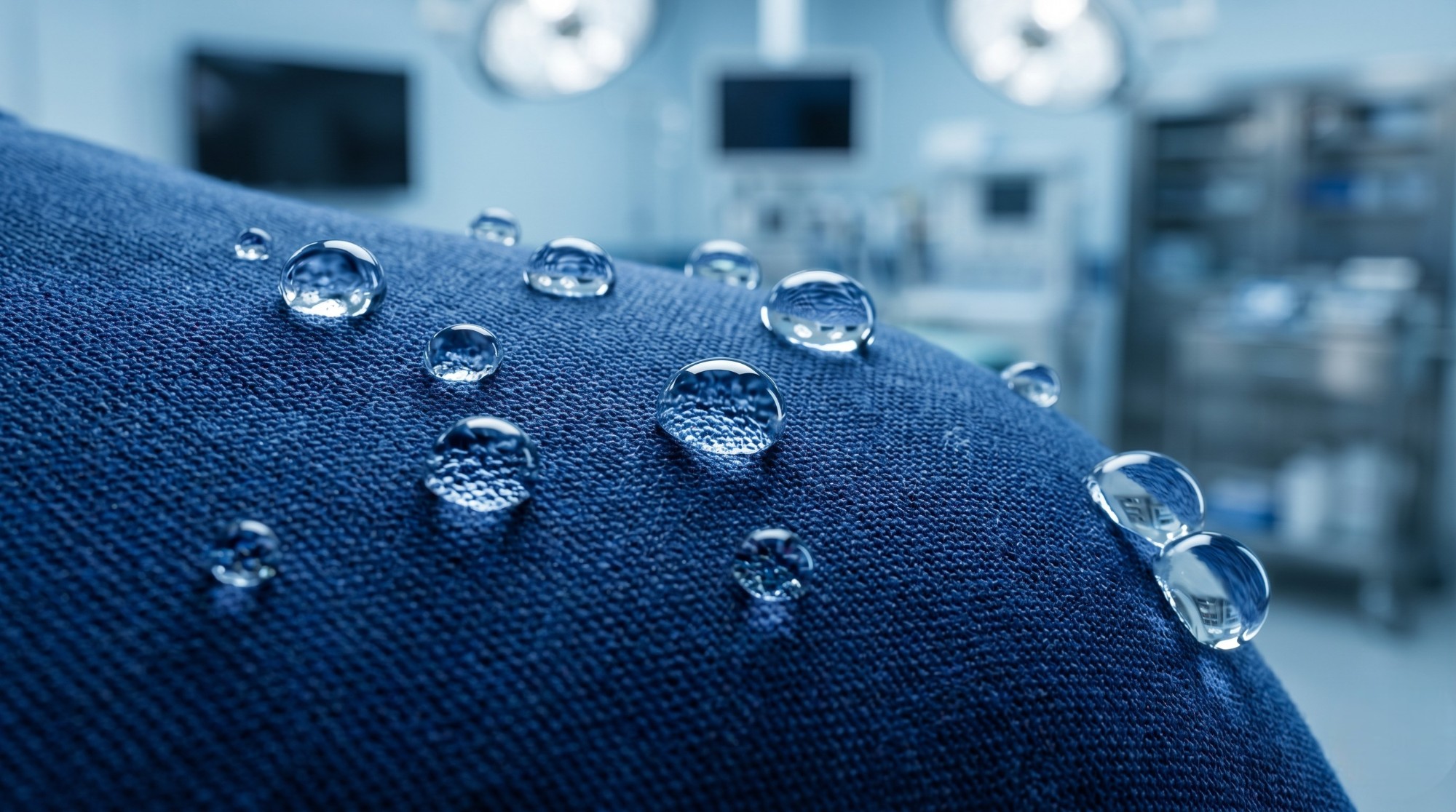
- The Repellency Mechanism: Unlike standard cotton that absorbs liquids instantly, resistant materials cause droplets to bead up and roll off the surface without penetrating the fibers.
- Resistant vs. Proof: It is vital to distinguish between fluid-resistant (which delays absorption and repels light splashes) and true waterproof scrubs (which are completely impermeable but often lack necessary breathability).
- Fabric Composition: These garments are typically woven from high-density polyester blends combined with Spandex, creating a tight surface area that liquids struggle to breach.
- Chemical Coatings: Premium brands utilize durable water repellent (DWR) finishes that maintain their protective qualities even after enduring the rigorous cycles of hospital laundering.
The Pros: Unmatched Protection Against Bodily Fluids
The primary advantage of adopting this innovative apparel lies in its exceptional defensive capabilities during high-risk medical procedures. It acts as an invisible shield, granting practitioners immense peace of mind when dealing with critical patient care scenarios.
- Superior Clinical Safety: These garments drastically reduce the risk of cross-contamination by preventing dangerous bodily fluids—such as blood or amniotic fluid—from reaching your skin.
- The Easy Wipe Advantage: When minor spills occur, the liquid remains on the surface, allowing you to execute an easy wipe with a sterile cloth and immediately return to your duties without needing a full uniform change.
- Stain Resistance: Because liquids cannot settle into the core of the yarn, these uniforms are inherently highly resistant to stubborn stains like iodine, coffee, or medicinal syrups.
- Extended Longevity: The same chemical treatment that repels moisture also protects the fabric from rapid degradation, meaning your investment will outlast standard cotton alternatives significantly.
The Cons: Potential Drawbacks of Specialized Fabric
Despite their phenomenal protective qualities, it is important to acknowledge that heavily treated textiles may present certain functional compromises. Evaluating these potential drawbacks ensures you select a uniform that perfectly aligns with your specific environmental needs.
- Reduced Breathability: The tightly woven structure required to block liquids can sometimes restrict natural airflow, making the garment feel warmer during intense physical exertion.
- Stiffer Initial Feel: Upon the first wear, heavily treated fabrics might feel slightly more rigid than traditional brushed cotton, requiring a brief break-in period.
- Care Sensitivities: To maintain the hydrophobic coating, you must strictly follow a dedicated washing care guide for medical scrubs, avoiding harsh fabric softeners that can strip the protective layer.
- Higher Price Point: The intricate engineering and chemical treatments involved in manufacturing these high-tech garments generally result in a higher initial purchase cost.
How Protective Medical Clothing Enhances Daily Hygiene
Maintaining an immaculate appearance is not solely about aesthetics; it is a fundamental pillar of infection control within any healthcare facility. Utilizing advanced textiles empowers medical teams to uphold the highest standards of cleanliness from the beginning of their shift to the end.
- Bacterial Mitigation: By preventing fluids from soaking in, you inherently stop the damp environments where bacteria thrive, a feature often enhanced when combined with antibacterial medical scrubs fabric technology.
- Odor Control: Liquids that carry strong clinical or biological odors are repelled instantly, ensuring you remain smelling fresh even after dealing with severe medical emergencies.
- Professional Presentation: Arriving at a patient consultation with a completely spotless uniform, regardless of the chaotic trauma you just handled, reinforces patient trust and projects undeniable authority.
- Reduced Laundry Urgency: The ability to simply wipe away minor accidents means fewer emergency trips to the locker room, allowing you to maximize your time providing actual patient care.
Are They Right for Your Specific Clinical Role?
The decision to transition to this advanced apparel should be directly dictated by the specific hazards and physical demands of your medical specialty. Analyzing your daily workflow will reveal whether the protective benefits outweigh the potential compromises in ventilation.
- Emergency Room (ER) Staff: For trauma nurses and ER physicians who face unpredictable exposure to severe bleeding and chemical splashes, this level of protection is absolutely non-negotiable.
- Surgical Teams: Operating room personnel highly benefit from fluid-repellent properties, especially during complex, fluid-heavy procedures where standard gowns might require additional backup.
- Dental and Veterinary Care: Dentists dealing with aerosolized saliva and veterinarians handling unpredictable animals find the wipe-clean nature of these uniforms incredibly convenient.
- Administrative Roles: If your role is primarily administrative or consultative, exploring standard breathable options in the best medical scrub fabrics in Saudi Arabia might provide better static comfort.
Comparison Tables: Evaluating Protective Apparel
Fluid-Resistant Scrubs vs. Standard Cotton Blends
| Feature | Fluid-Resistant Scrubs | Standard Cotton/Polyester Scrubs |
| Spill Reaction | Liquids bead up and roll off | Liquids absorb instantly, causing stains |
| Hygiene Maintenance | Excellent; easy to wipe clean immediately | Requires a complete change of clothes |
| Breathability | Moderate (traps some body heat) | Very High (allows maximum airflow) |
| Care Requirements | Requires specific, softener-free washing | Simple, standard hospital laundering |
Specialty Recommendations for Fluid-Resistant Apparel
| Medical Specialty | Recommended Level of Protection | Justification for Choice |
| Trauma / ER | Extremely High | Constant, unpredictable exposure to severe biological hazards. |
| Pediatrics | Moderate to High | Frequent exposure to medicinal spills, food, and minor bodily fluids. |
| Physiotherapy | Low | Requires maximum stretch and breathability; low risk of fluid exposure. |
| Laboratory | High | Protection needed against hazardous chemical reagents and bio-samples. |
Conclusion: Invest in Your Clinical Safety and Confidence
When navigating the unpredictable and high-stakes environment of the Saudi healthcare system, your uniform should act as your ultimate first line of defense. While transitioning to fluid-resistant scrubs might require a minor adjustment regarding fabric feel and specific washing routines, the unparalleled protection they offer against hazardous spills and bodily fluids makes them an invaluable asset. By opting for advanced protective medical clothing, you are actively prioritizing your personal hygiene, significantly reducing cross-contamination risks, and ensuring you maintain a pristine, professional image throughout your most chaotic shifts. We invite you to explore the cutting-edge innovations within our premium medical uniforms collection, where Apex seamlessly blends top-tier fluid-resistant technology with modern, comfortable designs. Elevate your daily clinical safety and step into your next emergency with absolute confidence.
FAQs
1. Does the fluid-resistant coating wash off over time?
While high-quality DWR (Durable Water Repellent) finishes are designed to withstand industrial laundering, they can gradually diminish after dozens of intense wash cycles. To prolong the coating’s effectiveness, avoid using fabric softeners or harsh bleach, as these chemicals aggressively break down the hydrophobic barrier.
2. Are fluid-resistant scrubs as comfortable as regular scrubs?
Modern textile advancements have bridged the gap significantly. While early iterations felt stiff, today’s premium collections incorporate flexible Spandex, ensuring that even though the fabric repels liquids, it still stretches and moves with your body. If you are unsure about the fit, reading up on how to choose the right medical scrub can help you find a comfortable silhouette.
3. Can I use a regular stain remover on these specialized fabrics?
Because the fabric prevents liquids from penetrating deep into the fibers, heavy-duty stain removers are rarely necessary. A simple wipe with a damp cloth or a mild soap solution is usually sufficient to remove surface residue. Using harsh chemical stain removers may actually damage the protective coating.
4. Where can I find reliable, high-quality protective medical clothing in KSA?
For medical professionals seeking the ultimate balance between high-tech protection and modern styling, exploring a dedicated premium medical uniforms collection is essential. Apex Scrubs offers meticulously engineered apparel designed specifically to meet the stringent safety and comfort demands of the Saudi healthcare sector.